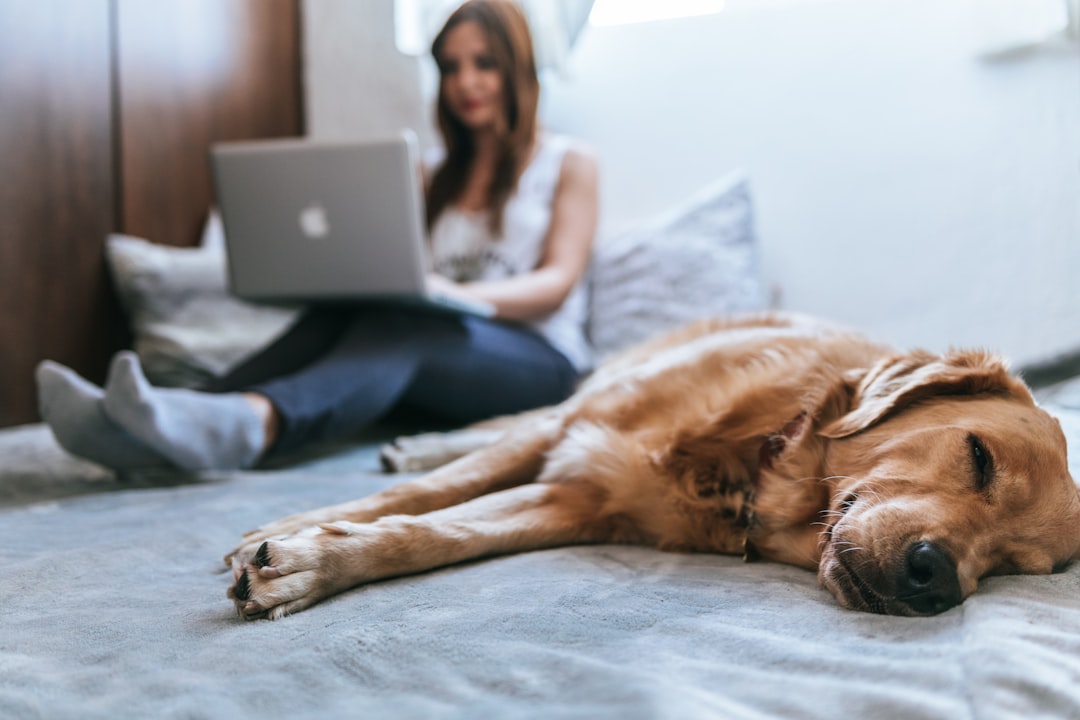
Can changing a lamp really lower your dog's vet bills? Start here.
High vet bills, anxious pets, and household accidents are frequent stressors for families who treat pets like family. If you've ever tripped over a roaming dog in dim light, watched your pet panic at unexpected shadows, or paid an emergency bill after a fall, you know small home changes can matter. In 2026, with smart-home tech such as the popular Govee lamp (RGBIC-capable) more affordable than ever, it's worth asking: can smart lighting reduce pet anxiety and prevent accidents?
Why lighting matters for pet health and safety
Lighting affects animals in three main ways: perception (what they see), physiology (circadian rhythms and hormones), and behavior (where they choose to move and rest). For dogs, these interactions can influence anxiety levels, nocturnal wandering, startle responses, and spatial awareness—factors that contribute to accident risk and, ultimately, veterinary costs.
How dogs perceive light
Dogs' eyes are adapted differently than human eyes: they see better in low light, are more sensitive to motion, and perceive colors differently (less emphasis on reds). That means a lamp's color, brightness, and flicker can have outsized effects on canine comfort. Bright, harsh white light can be startling. Flicker from cheap LED drivers—sometimes imperceptible to people—may be irritating or disorienting for sensitive pets.
Physiology: circadian cues and stress hormones
Circadian-friendly lighting (warm, lower-blue light in the evening; brighter, bluer light in the day) supports stable sleep patterns. In dogs, better sleep and predictable routines often translate to lower baseline anxiety. While the field is evolving, veterinarians and behaviorists increasingly recommend environmental lighting adjustments as a non-pharmaceutical tool for stress management.
2025–2026 trends: why now is the right time for pet-focused lighting
Late 2025 and early 2026 saw two important trends that make this question timely:
- Smart lighting has become mainstream and cheaper. Affordable RGBIC lamps—like Govee's RGBIC models—are widely available and often priced comparably to a standard lamp, making them an easy upgrade for many households.
- Smart-home ecosystems are getting pet-aware features. Manufacturers and third-party app developers are rolling out scene libraries, motion-triggered routines, and API integrations with pet-camera apps and wearables. Expect more pet-specific modes through 2026.
Can RGBIC lamps (like Govee) actually reduce pet anxiety?
Short answer: Yes—when used thoughtfully as part of an environmental strategy. Lighting alone won't replace training or veterinary care, but the right ambient lighting can reduce triggers that cause anxiety and disruptive behavior.
How RGBIC features help
- Localized color control: RGBIC lets you set different colors and brightness across segments. You can create calming warm zones (near a bed) and brighter activity zones (near doorways) without extra fixtures.
- Smooth transitions: Gradual fades and sunrise/sunset simulations reduce sudden light changes that startle pets.
- Programmability: Time-based scenes can support routines—lighting that dims in the evening for wind-down, brightens for morning activity.
Behavioral impacts (real-world examples)
Case vignette: A family reported that their greyhound, prone to late-night pacing, calmed when evening lighting shifted to warm amber across the living room and a soft night path was lit along the hallway. The owner saw fewer nocturnal accidents and less destructive behavior during thunderstorms when combined with a thunder-sound recording and chew-safe toys.
Small, consistent environmental changes—like predictable lighting—often reduce dogs' baseline arousal. That can mean fewer startle reactions and fewer accidents at home.
Can improved lighting really prevent accidents?
Yes, in several specific ways. Lighting that enhances visibility and creates predictable cues can reduce falls, collisions, and panicked sprints that lead to injury.
Top accident-prevention mechanisms
- Path lighting: Low-level, motion-activated light along hallways and stairs reduces trips during night hours.
- Contrast and depth perception: Strategic illumination helps dogs judge steps and furniture edges better, especially older dogs with declining vision.
- Reduced startle risk: Dimmable scenes and gradual fades minimize sudden light spikes that can provoke sprinting or knocking into objects.
- Activity zoning: Bright entryway lighting discourages frantic escapes and helps owners see leash mishaps before they escalate.
Practical, actionable lighting setups for pet owners
Use this step-by-step plan to test whether a smart lamp like an RGBIC Govee model helps your pet. You can implement most of this with one or two lamps and a smartphone app.
Step 1 — Audit and prioritize
- Walk the home at the times your pet is most active (nighttime, early morning, during storms) and note dark spots, tripping hazards, and places your pet hides or startles.
- Prioritize high-risk zones: stairs, long hallways, entryways, and areas where furniture edges are sharp.
Step 2 — Choose simple scenes
Set three baseline scenes in the lamp app:
- Calm (evening): warm white/amber at 15–35% brightness, slow 30–60 second fade
- Path/night: cool-warm low-level lighting at 5–15% brightness, motion-triggered
- Active/day: brighter, neutral-white for morning routines—helps cue activity and feeding times
Step 3 — Use motion triggers and geofencing
Program motion sensors for hallways and integrate geofencing so lights come on when you arrive home. For anxious dogs that pace or try to bolt, turning on a soft, warm light in a calming zone can interrupt panic cycles.
Step 4 — Combine lighting with other environmental changes
Lighting works best as part of a suite of changes:
- Non-slip rugs or runner mats on stairs
- Soft night markers on sharp corners
- Comfortable, lighted den or crate area for anxious pets with familiar bedding and toys
Choosing the right lamp and setup: checklist
When evaluating a lamp (for example, smart RGBIC models), look for these features:
- Adjustable color temperature (2200K–6500K) to create warm evening scenes.
- Low-flicker LED drivers or flicker specs listed in product documentation.
- Motion sensor compatibility or built-in PIR sensors for path lighting.
- Segmented RGBIC control if you want multi-zone effects with one fixture.
- Integrations with Alexa/Google/HomeKit and pet-camera apps or IFTTT for cross-device routines.
- Durable, chew-safe placement—avoid exposed cords at pet height and secure fixtures to prevent tipping.
Cost-saving analysis: lamp price vs vet bills
Upfront cost: Many RGBIC lamps are priced in the range of a modest household lamp—late-2025 discounts made some models cheaper than standard lamps. A single smart lamp (or two for a small home) can often be purchased for under the cost of one routine veterinary visit.
Potential savings:
- Reduced accidents: avoiding one fall or collision that leads to emergency care (often hundreds to thousands of dollars) can offset the investment many times over.
- Lower stress = fewer stress-related behaviors: less destructive chewing or escape attempts reduce replacement costs and avoid injuries that require medical attention.
- Insurance implications: fewer claims for household accidents can stabilize premiums over time if you use pet insurance. Environmental risk reduction is a proven strategy insurers like to see when assessing long-term pet health costs—see also cost and governance guidance for how small investments can affect long-term costs.
Example (illustrative): buy two lamps at $60 each = $120. Preventing a single emergency visit likely costing $500–$1,500 yields an immediate return on investment. Combine that with better quality of life for your pet and the value grows beyond dollars.
Limitations and when to seek professional help
Lighting is not a cure-all. It reduces environmental triggers but does not address underlying medical causes of anxiety (pain, hormonal issues, neurological disorders). If your pet shows persistent anxiety, sudden behavioral change, or repeated accidents, consult your veterinarian or an animal behaviorist.
When lighting is unlikely to help
- Severe separation anxiety requiring counterconditioning or medication.
- Medical issues causing disorientation, such as vestibular disease.
- Pets with photosensitive conditions—seek vet guidance before changing lighting intensity or spectrum.
Advanced strategies and 2026 predictions
Looking ahead, expect these developments through 2026 and beyond:
- AI-driven pet-aware lighting: Cameras and sensors will auto-adjust light scenes based on a pet's location, heart rate (via collar), and behavior, creating dynamic calming routines.
- Insurance incentives: Pet insurers may offer premium discounts or wellness credits for demonstrated home-safety improvements, including smart lighting and sensor systems that reduce accident risk.
- Standardized pet-mode features: Lighting vendors will likely add officially supported pet-scene presets and certifications indicating low flicker and circadian-friendly spectra.
Quick troubleshooting: common issues and fixes
- Pet reacts poorly to new light: Introduce scenes gradually; start at very low brightness and observe. Pair with positive reinforcement.
- Flicker sensitivity: Test bulbs before full installation. If your pet seems agitated after lights turn on, try a different fixture or bulb brand with documented low flicker.
- Chewing or tipping hazards: Mount fixtures out of reach, use cord covers, and anchor floor lamps.
Checklist: a 7-day lighting plan to test effects
- Day 1: Baseline—note behavior for 24 hours with existing lighting.
- Day 2–3: Install one smart lamp in a high-priority zone. Create Calm and Night scenes.
- Day 4: Add motion-triggered path lighting for hallways.
- Day 5–6: Observe and log changes in pacing, startle responses, and nighttime movement.
- Day 7: Review—if incidents decreased, expand to another zone or automate routines with geofencing and motion sensors.
Final takeaways
Smart lighting—especially RGBIC lamps like those from Govee—can be an inexpensive, practical piece of a broader pet-health strategy. When configured for predictable routines, low flicker, and path illumination, smart lighting reduces triggers that cause anxiety and accidents. The payoff is twofold: improved pet comfort and potential cost-savings by avoiding preventable injuries.
Call to action
Ready to try a lighting upgrade? Start small: pick one high-risk zone and test a warm, low-brightness scene with motion activation for a week. Track behavior and incidents, and—if you have pet insurance—save your logs: they can support claims or risk-reduction conversations with your provider. If you'd like, download our free 7-day lighting plan PDF and product checklist tailored for dog owners in 2026 (product checklist & setup ideas).
Small changes today—like smarter lamps and intentional lighting—can mean fewer vet visits, calmer nights, and a safer home for the pets you love.
Related Reading
- On‑Device AI for Web Apps in 2026: Zero‑Downtime Patterns, MLOps Teams, and Synthetic Data Governance
- Securing Cloud‑Connected Building Systems: Fire Alarms, Edge Privacy and Resilience in 2026
- Designing Child‑Friendly Living Rooms in 2026: Safety, Play, and Style
- Review: Portable LED Panel Kits for On‑Location Retreat Photography (2026) — B&B Edition
- When Luxury Beauty Exits a Market: What L’Oréal Phasing Out Valentino in Korea Means for Premium Skincare Shoppers
- Micro Apps for Creators: Build a Utility App in 7 Days Using Claude + No-Code
- Storing and Preserving Pokémon Cards: A Parent’s Guide to Protecting Your Child’s Collection
- Convenience Store Finds for On-the-Go Yogis: What to Buy When You're Out of Studio Supplies
- How Rising SSD Prices Could Affect Fleet Dashcam and Telematics Upgrades