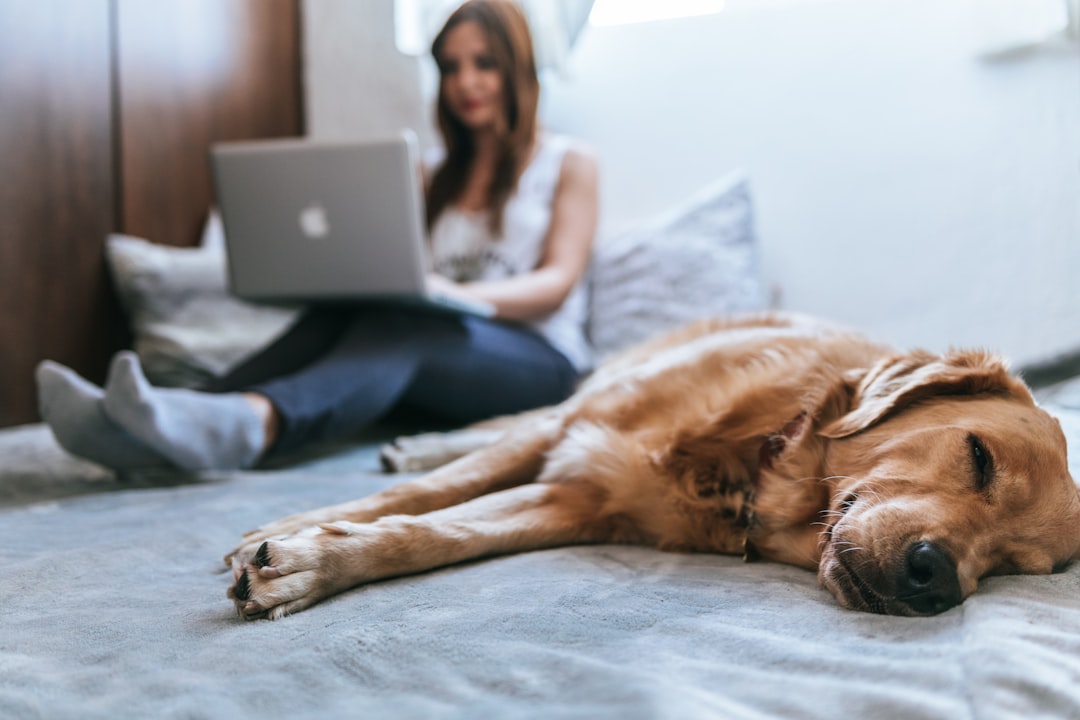
Hook: When Your Pet's Warmth Is a Medical Need, Not a Comfort
High vet bills, confusing policies, and the worry of a senior or sick pet shivering through the night — many families face this in 2026. If your cat or dog needs steady, safe warmth after surgery, during arthritis flares, or to prevent hypothermia, the right warming device can cut emergency visits and ease recovery. But how do you choose between a traditional hot-water bottle, a microwavable grain pack, a rechargeable heat pack, or a plugged-in heated pad — and will your insurer help pay for it?
The Big Picture — What Matters Most Right Now (Inverted Pyramid)
Bottom line: For sick or senior pets, choose devices that provide predictable surface temperatures, chew-resistant protection, and fail-safe controls. In 2025–2026 the market shifted sharply toward low-voltage rechargeable pads with thermostats and automatic shutoff — that matters because these features dramatically reduce burn and fire risk. Most pet insurers consider warming devices non-medical, but some will reimburse when a device is prescribed by a veterinarian as medically necessary; always get a written prescription and pre-authorization.
Quick Action Steps
- For immediate warmth: use a sealed hot-water bottle in a thick cover, monitored closely (surface temp < 40°C).
- For regular at-home therapy: prefer low-voltage rechargeable pads with built-in thermostats and chew-resistant covers.
- When in doubt, get a vet prescription stating medical necessity — it improves the chance of insurer reimbursement.
Why Borrow Hot-Water Bottle Testing?
Hot-water bottle reviews focus on heat retention curves, surface temperature behavior, durability, and user safety — metrics that translate directly to pet care. We applied the same testing mindset to evaluate pet-safe warming options: how hot they get, how long they hold heat, how evenly they distribute temperature, and what happens when a pet chews or soils the unit. For evidence-based guidance on when to use heat therapy (and when to avoid it), see our companion primer on heat vs. cold after massage.
Key Testing Metrics (adapted from consumer hot-water bottle reviews)
- Initial surface temp: how hot the cover or pad surface becomes right after activation.
- Heat decay curve: temperature drop over 1, 3 and 8 hours — important for overnight use.
- Max safe temp: whether the product exceeds safe-contact thresholds.
- Material integrity: seams, stitching, chew resistance, waterproofing.
- Safety features: thermostat, auto-shutoff, low-voltage operation, UL/CE listings where applicable.
- Cleaning and maintenance: machine-washable covers, wipeable cores.
Device Types — Comparative Evaluation
Traditional Hot-Water Bottles
Pros: Simple, widely available, inexpensive. Cons: Leakage risk, uneven heat, potential for burns if water too hot, not chew-proof.
- Best use: short-term, supervised warmth (e.g., carrier transport or short recovery periods).
- Safety tip: Fill with warm — not boiling — water. Aim for water that results in a surface temp around 35–38°C. Never place directly against skin or a sedated pet without insulation.
Microwavable Grain Packs (Wheat/Flax/Heat Packs)
Pros: Even, comforting heat and weight; no electrical components. Cons: Risk of hot spots, potential mold if damp, limited duration.
- Best use: short, cozy therapy sessions and comfort for arthritic seniors under supervision.
- Safety tip: Follow manufacturer microwave times exactly. Always test temperature on your inner wrist before offering to a pet. Use a durable removable cover.
Rechargeable Heat Packs and USB Heat Inserts
Pros: Portable, rechargeable, often offer consistent surface temperatures and multiple heat settings. Many 2025–2026 models include advanced thermostats and auto shutoff. Cons: Battery failure risk if chewed; some lack chew protection.
- Best use: short- to medium-duration warmth for travel, carriers, and supervised resting periods.
- Safety tip: Choose units with low-voltage batteries and removable batteries for charging. Keep batteries out of reach when in use and use a chew-proof outer cover; see gear advice like our portable power & resilience guide if you rely on rechargeable packs during outages.
Electric Heated Pads and Mats (Plug-in)
Pros: Continuous, adjustable warmth for overnight therapy; many have thermostat control and timers. Recent product improvements have included low-voltage DC models and UL/ETL-style safety listings in late 2025. Cons: Risk of chewing through cords, potential electrical failure if water-soaked.
- Best use: long-duration warmth for home bedding and recovery pens when pets can be supervised and cords secured.
- Safety tip: Use models with thermostat control and auto-shutoff. Run cords under furniture or use cord protectors, and never place where a pet can chew them; for general consumer gadget picks you may also want to glance at our CES gadget roundups for compatible home-hub accessories.
Wearable Heated Garments
Pros: Provide targeted warmth (torso) and mobility. Cons: Fit is critical; risk of overheating or restriction of movement.
- Best use: short walks during cold weather for weak or arthritic pets, or post-op when mobility is safe.
- Safety tip: Use only when supervised. Ensure the garment does not impede breathing or wound sites. Check skin frequently for heat or pressure sores.
Safety Rules Every Pet Owner Must Follow
Across devices, follow these non-negotiables to prevent burns, hypothermia, and accidents.
- Target safe surface temp: Keep contact surface under 40°C; 35–38°C is comfortable for most dogs and cats. Temperatures above 44°C can cause tissue damage with prolonged contact.
- Check skin often: Inspect the pet’s skin under the warming device every 20–30 minutes during initial use, and at least hourly for overnight use.
- Use barriers: Always place a cover or towel between the device and the pet — this evens heat and prevents direct burns.
- Secure cords and batteries: Hide cords, use chew guards, and never leave cables accessible to unsupervised pets.
- Avoid sealed insulated setups: Do not fully wrap a sedated or hypothermic pet in heavy insulation without veterinary guidance — pets need access to air and should be monitored for overheating.
- Replace damaged units: Any fraying, leakage, bulging battery pack, or seam split is grounds to discard the device; follow manufacturer warranty and replacement guidance and consider sustainable disposal options highlighted in recent eco-pack reviews.
"Thermostat control and automatic shutoff are the single biggest safety improvements we've seen in pet-heating tech since 2023. They reduce risk of burns and fire while giving owners confidence to provide continuous warmth." — Veterinary technician (anonymized field observation, 2025)
Real-World Example: A Senior Dog’s Nighttime Rescue
Case example: An 11-year-old dachshund with chronic arthritis had trouble settling overnight in winter. A reader shared that switching from a microwavable grain pack to a low-voltage rechargeable pad with a thermostat (set to 36°C) reduced night wakings and avoided an emergency visit for hypothermia when the heat in the house dropped unexpectedly. The pad had a chew-proof cover and an auto-shutoff at 8 hours — features recommended by the dog's vet.
Hypothermia Prevention: Signs, Triage, and When to Get to the Vet
Recognize the signs
- Shivering or tremoring
- Slow, shallow breathing or lethargy
- Pale, cool extremities (ears, paws)
- Weakness, stumbling, or unresponsiveness
At-home triage steps
- Move the pet to a warm, dry environment.
- Wrap gently in blankets; add a warm (not hot) heat source like a sealed hot-water bottle wrapped in towels.
- Offer warm fluids if the pet is alert and able to swallow; avoid forcing if confused.
- Monitor breathing and circulation; if the pet is unresponsive, get emergency vet care immediately.
When to go to the vet
If shivering persists, the pet becomes weaker or breathing slows, or there are signs of shock, transport to a clinic immediately. Pets with chronic conditions (heart disease, endocrine disorders) can decompensate quickly and may need controlled warming in a clinical setting. If you need guidance on telehealth check-ins for post-op warming, clinics offering telehealth coordination began specializing in this area in late 2025.
Maintenance, Cleaning, and Longevity
- Follow manufacturer cleaning instructions; use removable covers when possible and wash weekly during regular use.
- For washable covers, air dry fully before reassembly to prevent mold.
- Rechargeable pads: follow battery care — avoid overnight trickle charging and replace batteries if capacity noticeably declines.
- Store microwavable packs in a dry place; if they smell, discolor, or clump, replace them.
Cost Considerations and Insurer Coverage (2026 Overview)
Prices in 2026 range from under $15 for basic hot-water bottle alternatives to $120–$300 for high-quality heated pads with thermostats. Families balancing cost and safety should prioritize features (thermostat, auto-shutoff, chew-proof cover) over lowest price. Use price-tracking tools to find model drops and discounts timed to new releases.
Do pet insurers cover warming devices?
Short answer: Usually no — but sometimes yes.
Most standard accident and illness pet insurance policies treat heating pads and hot-water bottles as accessories or comfort items rather than medical equipment, so direct reimbursement is uncommon. However, trends in late 2025 and early 2026 show a small but growing number of insurers offering limited coverage or reimbursement for items prescribed as medically necessary (for example, post-op warming devices for hypothermia management, or long-term thermal therapy for severe hypothermia risk).
How to improve your chance of reimbursement
- Get a written prescription or letter from your veterinarian stating the device is medically necessary for a diagnosed condition.
- Obtain an itemized invoice showing the device model and cost.
- Contact your insurer before purchase for pre-authorization where possible — write down the rep's name and case number.
- File a claim under 'medical supplies' or 'special equipment' and include the vet letter and invoice.
- If denied, request the insurer’s explanation in writing and consider an appeal with additional clinical notes from your vet.
Policy language to watch for
- "Durable medical equipment" — may allow coverage if the device fits their definition.
- "Pre-existing conditions" — if your pet has pre-existing thermoregulatory issues, insurers often exclude related claims.
- "Preventive/comfort items" — normally excluded.
Buying Checklist: How to Choose a Pet-Safe Warming Device
- Thermostat & auto-shutoff: non-negotiable for long-duration use.
- Surface temperature range: manufacturer should list temps; aim for 35–38°C contact temps.
- Low-voltage/UL or ETL certified: reduces fire risk.
- Chew-resistant design: or removable battery/cords to secure while in use.
- Washable cover: essential for hygiene; check sustainability and material reviews like our eco-pack solutions coverage when choosing fabrics.
- Replacement policy/warranty: look for at least a 1-year warranty.
Advanced Strategies for 2026 and Beyond
Emerging approaches you can use now:
- Smart pad integration: Some new pads integrate with home hubs and apps to monitor surface temp and log heating cycles — useful for chronic conditions and remote monitoring when caretakers are away. For thinking about on-device monitoring and privacy trade-offs, see recent work on edge personalization.
- Layered thermal strategy: Combine a low-level heated pad (thermostat-controlled) with insulating bedding and timed warm compresses to maintain safe, even core warmth without prolonged high surface temperatures.
- Telehealth coordination: In late 2025 many clinics began offering telehealth check-ins specifically for post-op thermal management — a vet can guide safe home warming and provide documentation for insurer claims; learn more about clinician workflows in the creator health playbooks adapted for clinicians.
Summary — Practical Takeaways
- For short, supervised warmth, microwavable packs or sealed hot-water bottles in covers are acceptable. Test temperatures first and never leave unattended with an unprotected pet.
- For regular use with senior or sick pets, prioritize rechargeable or plug-in pads with thermostats, auto-shutoff and chew protection.
- Keep contact surface temps to about 35–38°C and monitor the pet's skin frequently.
- If you need an insurer to help pay, get a vet's written prescription and seek pre-authorization.
- Replace any device with damage, and follow cleaning and battery care guidelines to reduce health and fire risk.
Final Checklist: Before You Use Any Warming Device
- Confirm the device has thermostat control or known safe heat profile.
- Inspect for damage; test surface temp yourself.
- Place a washable cover or towel between pet and heat source.
- Secure cords/batteries and remove chew access.
- Set reminders to check your pet every 20–60 minutes for the first uses.
Call to Action
If you're caring for a senior or recovering pet, don't gamble on guesswork. Talk to your vet today about the safest warming options for your pet's diagnosis, get a written prescription if recommended, and check your policy for possible reimbursement. At pet-insurance.cloud we help families compare insurer policies and find plans that support medically necessary equipment — start a policy check or request our free warming-device checklist tailored to your pet's size and condition. If you travel with your pet often, also consider gear reviews like the NomadPack field kit and portable power options in our power resilience field guide.
Related Reading
- NomadPack 35L + Termini Atlas Carry-On — A Seller’s Travel Kit (field review)
- Portable Solar Chargers and Power Resilience for Rural Texans (field review)
- Is Heat or Cold Better After a Massage? Evidence-Based Advice for Recovery
- Scaling a Local Pet Boutique in 2026: Ops, WMS and Community Buying (Enterprise Playbook)
- Freelancing Platforms News: January 2026 Roundup — Fees, Features and New Tools
- Designer Cabin Upgrades: French Villa Style for Alaska Lodges
- How to File a Telecom Outage Claim: Step-by-Step Guide and Evidence Checklist
- How Netflix Could 'Win Opening Weekend' if It Runs WBD Like a Studio
- Case Study: Implementing a FedRAMP AI Workflow for Military Travel Booking