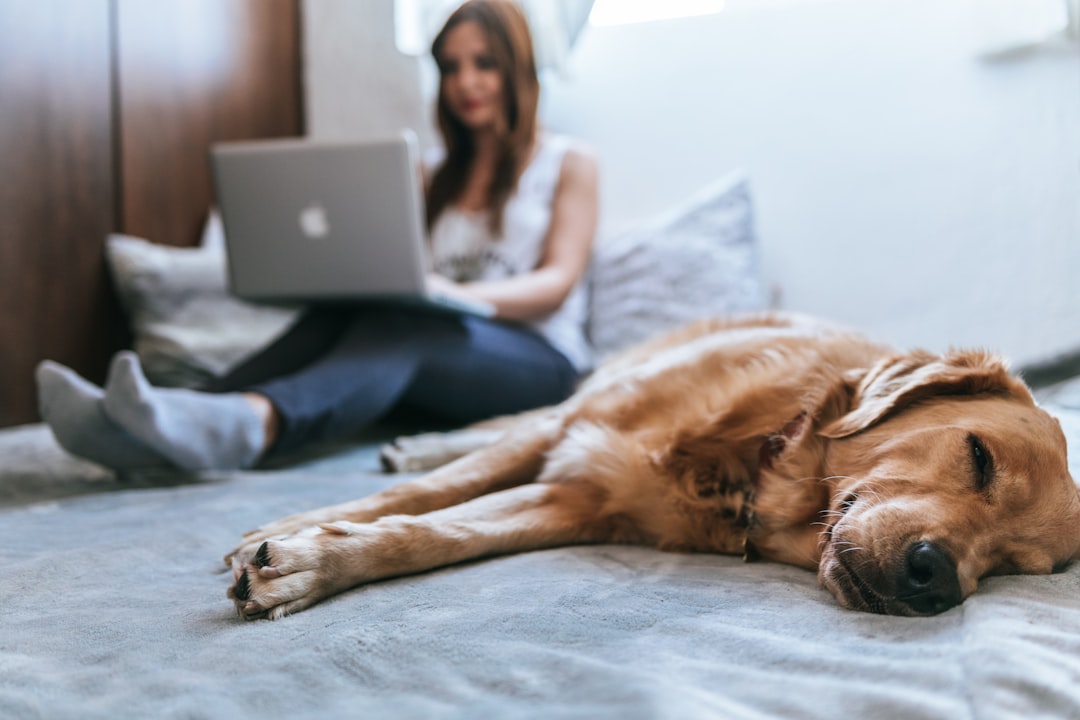
When your senior dog shivers through the night: budget warming that protects paws and your policy
Veterinary bills spike, energy bills climb, and your elderly cat won't stop curling into tight, cold balls. You want cheap, effective warmth—fast—but you also need to know: is that improvised warmer safe? Could it void your pet insurance if something goes wrong? This article gives tested, low-cost DIY warming solutions inspired by the hands-on, iterative DIY ethos of small startups — plus clear safety rules and insurer-smart documentation steps so warming your pet doesn't cost you even more later.
The 2026 context: why DIY warming is trending now
In late 2024 and throughout 2025, two forces pushed pet owners toward DIY warming solutions: rising household energy costs and a boom in low-cost, rechargeable warming products. By early 2026 the market blurred lines between commercially certified pet warmers and homemade alternatives: rechargeable hot-water bottles, microwavable grain packs, and low-voltage heated pads are commonplace. At the same time, insurers are sharpening language around exclusions related to negligence or non-standard devices.
That combination—more demand for low-cost warmth and closer insurer scrutiny—makes it essential to be both inventive and cautious. Think like a smart DIY startup: prototype small, test safely, document results, and scale only after the design proves safe.
DIY startup ethos applied to pet warming: quick rules
- Small-batch testing: Build one prototype, test on inanimate objects, then test with supervision.
- Measure everything: Use an infrared thermometer to track surface temperature and duration.
- Fail-safe first: Prioritise passive solutions and low-voltage elements when electricity is involved.
- Document: Keep receipts, photos, and vet notes — helpful if a claim arises.
"It all started with a single pot on a stove." — Chris Harrison, co-founder of Liber & Co., on the power of small, hands-on experiments.
Safety-first baseline (must-know)
Before we get into recipes and builds, read this and save it: pets can be burned or stressed by excessive heat, and improvised devices can create fire or ingestion hazards. Follow these baseline safety measures:
- Temperature cap: Keep any warming surface below 40°C (104°F). Use an infrared thermometer (under $25) to verify.
- Supervision: Never leave a new DIY heat source with a pet unsupervised until you’ve tested it extensively.
- Gradual warming for hypothermia: If a pet is cold or hypothermic, warm gradually and get veterinary advice; never force rapid warming.
- No exposed wires or unsecured batteries: If your design uses electricity, use certified low-voltage components and housings; tape and braided cords can be chewed through.
- Verify materials: Choose non-toxic fabrics and seal any seams so fillings (rice, wheat, gel) can’t scatter and be ingested.
Budget DIY pet warmers that don’t trip insurance alarms
Below are practical builds grouped by risk level: low (passive), medium (microwave/hot water), and higher-risk electrical (use certified elements or accept extra risk).
Low-risk: passive insulation nests (best first choice)
Why try it: No heat source, no fire risk, cheap materials — ideal for senior pets who need steady warmth without hotspots.
- Materials: thick foam pad (second-hand mattress topper works — thrifting can save you a bundle; see thrifting and resale tips), reflective emergency blanket, fleece cover or old sweater, non-slip mat.
- Build: place foam on non-slip base, wrap foam in reflective blanket (shiny side inward), then add fleece layer as the pet-facing surface.
- Result: the reflective layer traps body heat; foam insulates from cold floors.
Testing tip: measure microclimate temperature—temperature just above the fleece—when a pet lies on it. You’ll notice 3–6°C improvement versus bare floor.
Medium-risk: hot-water bottle in a protective cover
Why try it: Very inexpensive, long-proven. Use only as a temporary warm source — not permanent bedding.
- Materials: commercial rubber hot-water bottle, thick sock or fleece cover, insulated sleeve (optional), thermometer.
- Fill & test: use warm (not boiling) water. Seal bottle and insert into cover. Verify surface temp with thermometer — aim below 40°C (104°F).
- Placement: wrap bottle in a towel and place alongside (not under) the pet’s resting area so they can move away if too warm.
Safety notes: Replace bottles with visible wear. Do not leave a hot-water bottle with a chewer or unsupervised long-term.
Medium-risk: microwavable grain packs (wheat/flax)
Why try it: Long-retaining warmth, customizable shape, washable covers. The 2025–2026 trend toward microwavable wheat packs (and rechargeable versions) makes supplies easy to find — see our comparison of travel-friendly warmers for pros and cons.
- Recipe: Sew a cotton bag (20x30cm), fill with cleaned wheat or flax (no additives), leave a seam unstitched.
- Microwave: Heat in short bursts—start 30 seconds, check temp, then add 10–15 seconds as needed. Always test on a towel and with thermometer to ensure under 40°C (104°F).
- Use: Place in a fleece pouch; remove if pet shows signs of discomfort. Store dry to avoid mold.
Testing tip: Perform 10-cycle heating tests and measure how long it stays above room temperature; adjust grain volume and bag size for longer retention.
Higher-risk (use caution): low-voltage heated elements
Why try it: Controlled heat, long duration. Also the area where insurer scrutiny is highest if an injury or fire occurs.
- Best practice: Don’t build your own resistor heater from scratch. Instead, buy an approved low-voltage heating element (USB or 12V) with built-in thermostat and over-temp cutout, and embed it inside padding and a chew-proof cover.
- Install: Use a pet-proof fabric sleeve and secure wiring where the pet can’t reach. Route cords away from bedding and secure with conduit if needed.
- Certification: Choose components with UL/ETL or equivalent certifications and keep receipts and product manuals.
Insurance note: If you use electrical heating, get written advice from your vet and—ideally—ask your insurer whether use of such a device could affect coverage. (See insurer checklist below.)
How to prototype safely: a 5-step test routine
- Build one unit. Don’t mass-produce until it’s proven safe.
- Run a cold test: Measure baseline surface temperature with an infrared thermometer at 0, 15, 30, 60, and 120 minutes.
- Test on a stuffed toy or weighted pillow for chew and heat distribution behavior for at least 2 hours.
- Supervised live test: Introduce the device to your pet for short sessions (10–20 minutes) while observing for stress signs or attempts to chew.
- Document everything: photos, time logs, temperature logs, and any vet guidance.
Senior pets: special considerations
Older pets have thinner skin, slower circulation, and often reduced mobility—so warming must be gentle and monitored.
- Avoid direct high heat under joints or bony areas. Use padding so pressure points aren’t over-heated.
- Warm extremities first: wrap paws in fleece for a short period before full-body warming.
- Frequency: Short, multiple warming sessions are better than long, continuous exposure.
- Consult your vet: If your pet has cardiac issues, heat can change circulation and interact with medications.
Emergency warming kit checklist (for car breakdowns, power outages, travel)
- Reflective emergency blanket (one per pet)
- 2 reusable hot-water bottles with covers
- 1 microwavable grain pack sealed in a plastic bag (heat via vehicle or generator if possible)
- Low-voltage USB heating pad (commercial, certified) with bank battery
- Infrared thermometer (pocketable)
- Vet contact card + insurance policy number
- Towels, fleece blanket, and non-slip mat
Will your insurer deny a claim tied to a DIY device?
Short answer: Possibly—but not always. Insurers typically deny claims when an injury resulted from negligence, use of an unapproved or dangerous device, or failure to follow a vet's instructions. However, many legitimate, carefully-documented incidents are covered.
Practical steps to reduce the risk of a denied claim:
- Read your policy: Look for sections titled "exclusions," "owner negligence," and "experimental treatments."
- Get a vet note: If a warming method is recommended by your vet, get a short written note describing the device or method and the medical reason.
- Use certified parts: For electrical components, choose UL/ETL certified parts and keep receipts and manuals.
- Document usage: Photos, temperature logs, and dated notes of supervised use help if a claim is questioned.
- Communicate with the insurer: Call and ask if use of a specific device could jeopardize coverage; request any response by email for recordkeeping.
Example scenario: If your cat chews through a homemade heating pad cord and suffers burns, an insurer could reasonably argue owner negligence if you had no chew-proofing, no vet note, and no documented safeguards. Contrast that with using a certified low-voltage pad with a vet’s recommendation and receipts—coverage chances improve.
What to say to your insurer (script + documentation list)
When you call, be concise. Use this mini-script:
"Hi — I’m calling to ask if using a [type of device] at home could affect coverage if a pet is injured. I have a vet recommendation and receipts. Could you confirm any relevant exclusions or documentation you’d need in case of a claim?"
Send follow-up email summarizing the call and ask for confirmation. Keep the following items on hand:
- Policy number and effective dates
- Product receipts and manuals
- Vet notes or prescriptions
- Photographic evidence of safe installation and testing
- Temperature logs if applicable
Cost-saving comparison — DIY vs. commercial solutions
Quick cost snapshot (2026 prices, approximate):
- DIY reflective nest: $5–$25 using thrifted foam and blankets
- Hot-water bottle + cover: $10–$25
- Microwavable grain pack (homemade): $5–$15
- Certified low-voltage USB pad (commercial): $25–$60
- High-end commercial pet heating bed (certified): $80–$200+
Value play: Passive DIY options give immediate, low-risk warmth for pennies, while certified commercial pads cost more but offer regulated temperature control and often better claims defensibility.
Advanced strategies and future-proofing (2026+)
Looking ahead, two trends matter:
- Low-voltage, certified modules: More small manufacturers (2025–2026) are shipping UL/ETL low-voltage heated modules designed specifically for pets. These offer the balance of safety and affordability.
- Data-driven warming: Smart pads with temperature logs and mobile app histories are emerging. If you’re concerned about claims, a pad that stores a log of temperatures and usage can be powerful documentation.
Strategy: When scaling from DIY to regular use, consider migrating to a certified product with logged data. The small up-front cost can avoid much larger vet bills or a denied claim later.
Real-world example: from stove-top tests to safer scaling
Many successful startups began with a single prototype on a kitchen stove and evolved through iteration and safety improvements. The same approach works for pet warming: prototype a hot-water sleeve, test it, document failures, then upgrade parts (better covers, certified heating elements) before relying on it daily. The goal is functional, repeatable, and safe — not handcrafted shortcuts that introduce liability. For lessons on taking a home project to a wider market, read how small brands scale from stove top to worldwide.
Actionable takeaways — what to do tonight
- Build a passive reflective nest tonight using an emergency blanket and fleece layer (under $10).
- Buy an infrared thermometer and test any warm pack you already have — ensure surface temp below 40°C (104°F).
- If using electrical warmers, gather receipts and get a short vet note that documents medical need and suggested device type.
- Create a dated photo log the first three times you use a DIY device with your pet.
- Add one certified commercial pad to your wishlist if your pet needs daily warming; consider it an insurance hedge.
Final words — balancing thrift, safety, and coverage
DIY pet warmers can save money and work surprisingly well when you apply a small-batch, test-driven mindset. But improvise responsibly: prefer passive insulation first, use microwavable or hot-water approaches carefully, and treat electrical heating as a step-up that requires certified parts and documentation.
When in doubt, talk to your vet and your insurer. A quick email with a vet note and a copy of a product receipt can be the difference between a covered expense and an expensive surprise.
Downloadable checklist & next steps
Get our free printable Emergency Pet Warming Checklist (materials, heating-test log, insurer script) at pet-insurance.cloud — and use our side-by-side tool to compare policies for coverage related to owner-applied devices and negligence exclusions. For a compact guide to travel warmers and how they compare, see our round-up of travel-friendly warmers.
Ready to protect your pet and your wallet? Start with a passive reflective nest tonight, buy an infrared thermometer, and if your pet needs regular warming, download our checklist and contact your insurer for written guidance. If you’re packing a kit for travel, don’t forget a compact portable power station or reliable charger like the 3-in-1 Qi2 station to keep USB warmers running.